Choosing a tracker
Car GPS tracker: how to choose the right model
Compare five GPS trackers by installation, power supply and mobile network. Find a suitable model for your car, motorcycle or trailer.
When choosing a car GPS tracker, start with how you plan to use it. Do you want to connect it yourself and occasionally move it to another car? Should it stay permanently out of sight? Does the vehicle sit unused for weeks or travel every day? These questions help you find a suitable model more effectively than comparing technical specifications alone.
Our range includes five Teltonika trackers. The main differences are installation, power supply, mobile network and operating conditions. No single model is best for every situation.
Which GPS tracker suits your needs?
| What do you need? | Suitable model | What should you consider? |
|---|---|---|
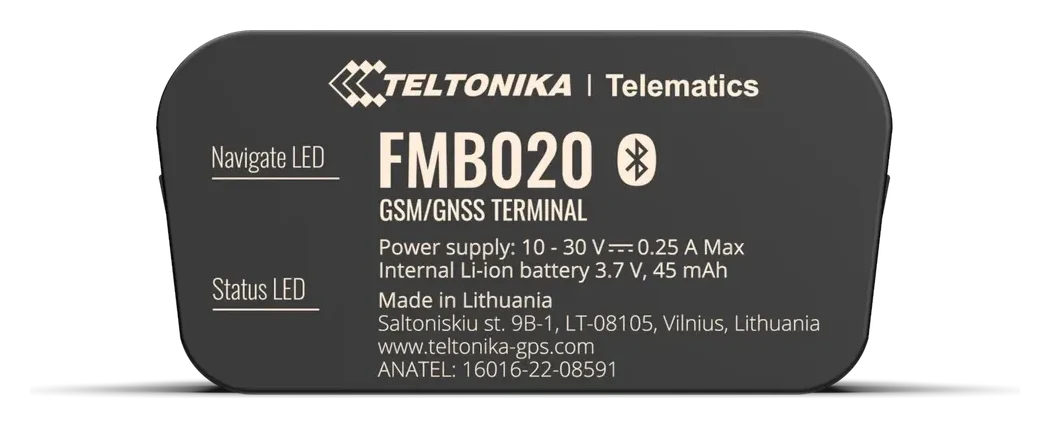
| Connect it yourself and move it to another car when needed | FMB020 | The OBD port supplies power; the device does not read vehicle diagnostic data. 2G only |
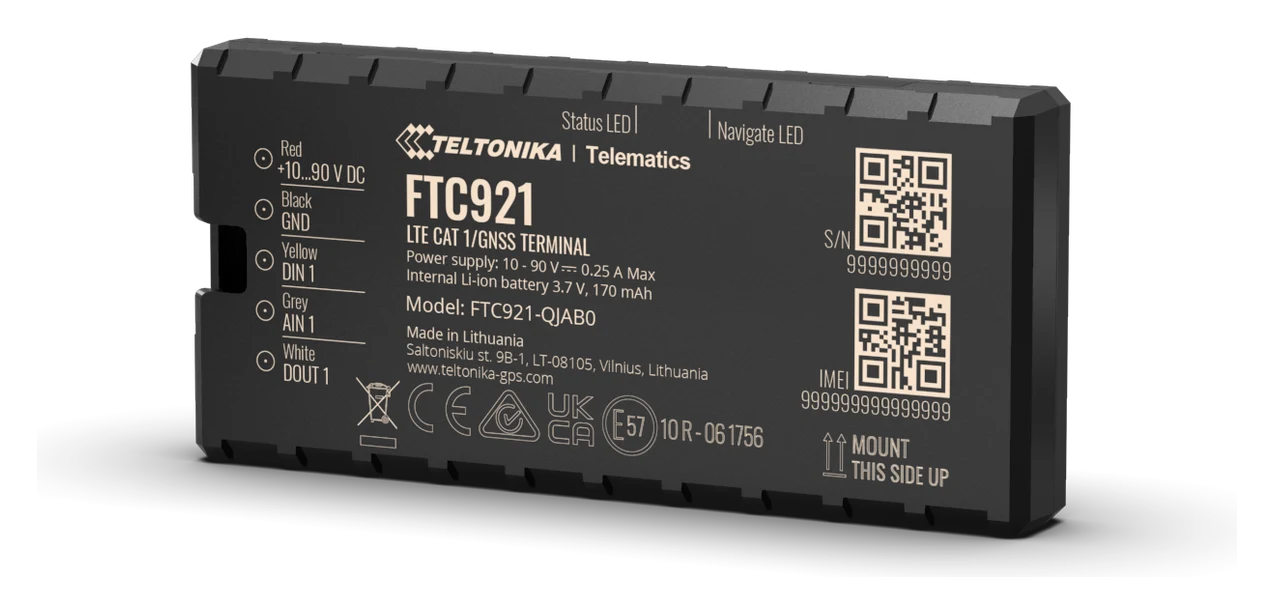
| A permanent concealed installation | FTC921 | Connects to the vehicle wiring and sits beneath the dashboard. 4G and 2G |
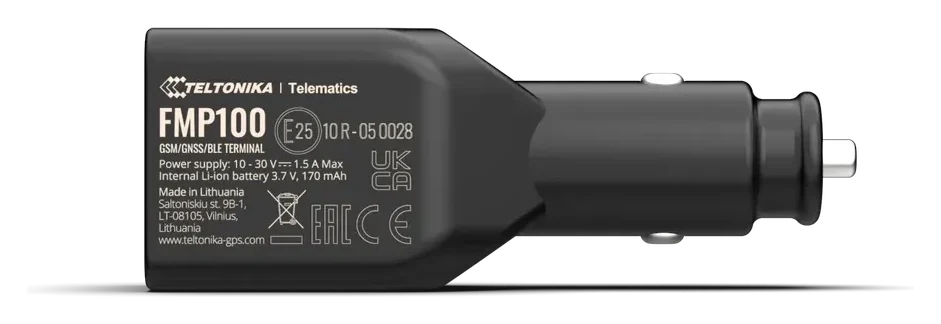
| A quick connection to the cigarette lighter socket | FMP100 | Check whether the socket stays powered when parked. 2G only |
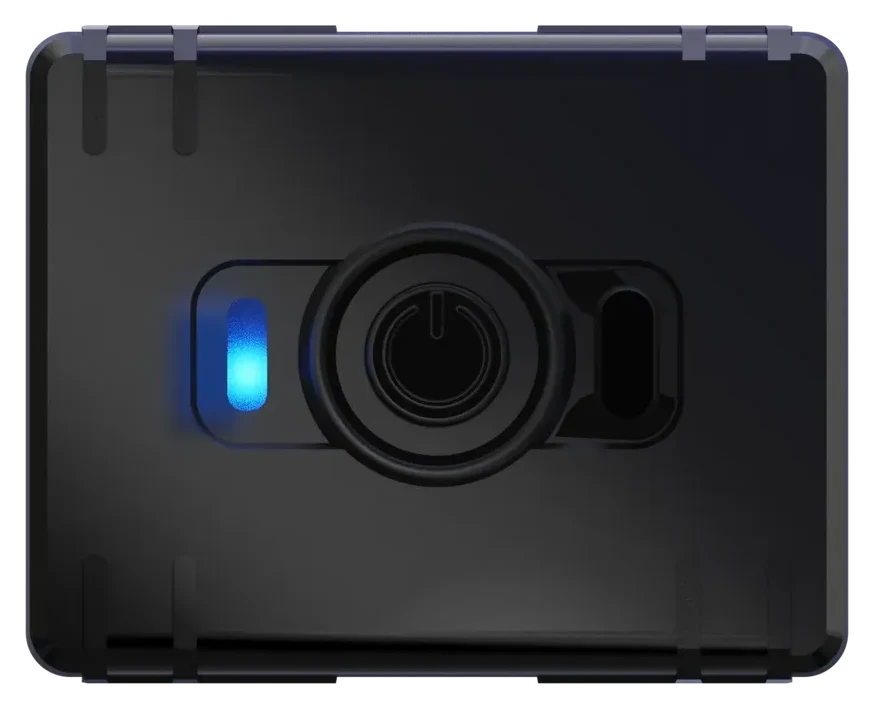
| A tracker without a connection to vehicle wiring | ATC700 | Uses its own battery and needs charging. 4G and 2G |
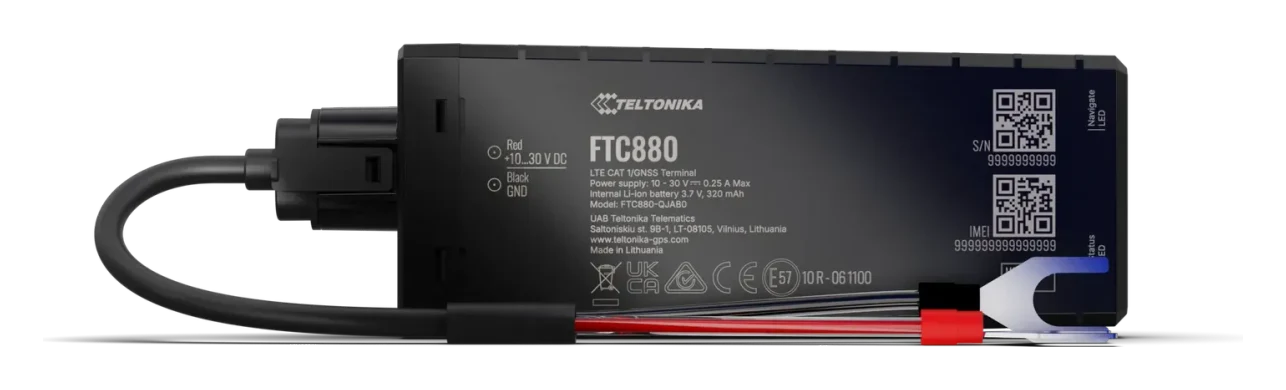
| Tracking a motorcycle, ATV or equipment exposed to water and mud | FTC880 | Two wires to the battery and a protected enclosure; consider the vehicle battery and long periods without use. 4G and 2G |
For example, an OBD tracker may be the most convenient option for a family car driven every day. If you want a device that stays in a company car without being removed for charging, consider the FTC921. For a trailer without a suitable permanent power supply, start with the ATC700 and its own battery.
Simple connection: OBD or cigarette lighter socket
The FMB020 suits you if you want to plug a tracker into the OBD port yourself and move it to another car when needed. It draws power from the car and does not need regular charging. The device remains accessible in the port, making it convenient to move but less suitable for a permanent concealed installation. Consider your own plans: will the tracker stay in one car for years, or will you switch vehicles?
OBD is a diagnostic port, but the FMB020 uses it only for power. Position, speed and distance travelled are determined by GPS. The device does not read fault codes, vehicle system data or the dashboard odometer reading. If you are choosing a tracker specifically for diagnostics, this model does not meet that need.
The FMP100 is convenient for moving quickly between cars, but it remains visible and is easy to remove; it occupies the cigarette lighter socket, and tracking a parked car depends on that socket’s power supply — see the FMP100 connection guide.
Permanent concealed installation: FTC921
The FTC921 suits a private or company car if you want a permanent installation beneath the dashboard. It draws power from the car and does not need regular charging. Reaching the device and its wires is harder than accessing a tracker plugged into a socket.
If you are choosing a tracker to locate your car in the event of theft, also read about GPS tracking as part of theft protection. Concealed installation describes where the device is placed; it does not turn the solution into a security service. We do not offer remote engine shutdown.
Our installation comparison explains the choice between fitting it yourself and using a workshop. For installation at our Peetri workshop, choose a suitable time on the booking page.
An independent battery or a protected enclosure: ATC700 and FTC880
Consider the ATC700 if you do not want to connect a tracker to the car’s wiring, or if you are tracking a trailer, boat or toolbox. It uses its own battery and needs charging. This lets you track an item without a suitable permanent power supply, but you need to keep an eye on the device’s charge.
Battery life depends on how you use it. More frequent data transmission uses more energy; with fewer recorded points, a short journey may appear in less detail. Before choosing, consider whether you mainly want occasional location checks or a more detailed route. For help choosing, read about tracking trailers, boats and tools; for operation, see the ATC700 guide.
The FTC880 suits motorcycles, ATVs and equipment where the tracker is exposed to water or mud. The IP69K device draws power from the vehicle battery. It does not normally need separate charging, but it also consumes power while parked. With a small battery and seasonal use, consider long periods without use; our motorcycle and ATV tracker guide covers this.
The same principle applies to models powered by a car: a worn or partly charged battery can run flat during a long period parked. Read about how a tracker affects the car battery for more on power consumption and parking.
2G and 4G: check the countries you will visit
2G and 4G are generations of mobile networks used by the tracker to send data. The FMB020 and FMP100 support 2G only. The FTC921, FTC880 and ATC700 support 4G as well as 2G.
Before travelling abroad, compare the model’s network support with the SIM coverage table. A country appearing on the list is not enough: a network suitable for your device must also be listed. The FMB020 and FMP100 specifically need a 2G network.
Coverage and settings affect when new location data reaches the map. Our article on how a GPS tracker works explains how data is recorded and sent.
Car GPS tracking devices: what to consider before buying
- Choose the installation type: a plug-in connection, a permanent wired connection or an independent battery.
- Consider whether you need location updates while parked and how long the vehicle usually stands unused.
- Decide whether you want to move the tracker between cars or leave it permanently in place.
- Check the mobile networks in the countries you need and whether the chosen model supports them.
- Check the current terms on the product page and arrange installation if needed.
The article GPS tracker with no monthly fee explains what is included in the price and what happens after three years.
If you are choosing between two models, write to us through the contact page. Describe the vehicle, its usual parking periods and what matters most: easy transfer, concealed installation or use without wiring. This helps us recommend a suitable model and explain what to consider when using it.